
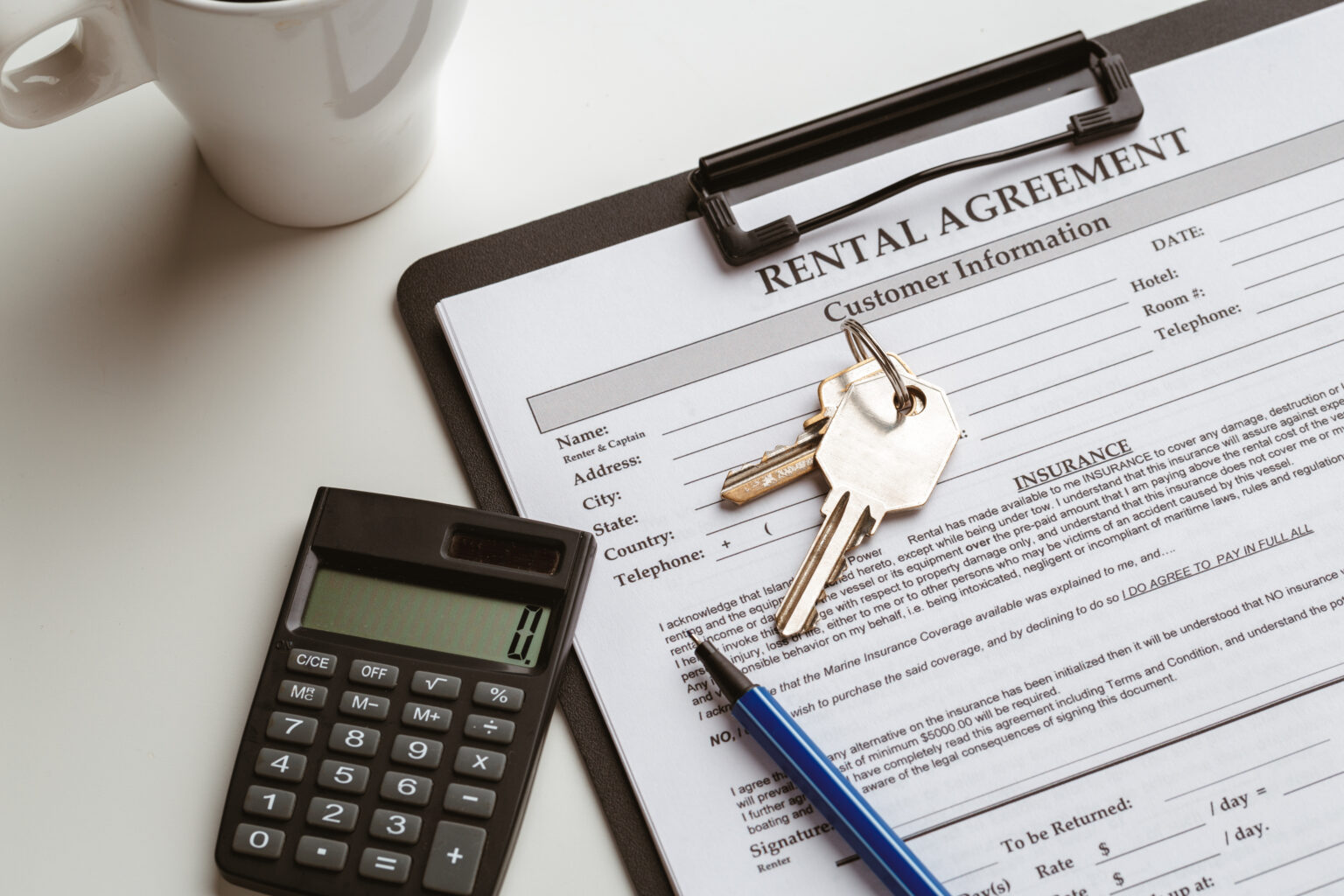
Short Term Rental Laws – Rules for Vacation Property Owners
Short-term rentals are regulated through a patchwork of state laws, local ordinances, zoning rules, building codes, tax requirements, and private property restrictions. A home that can legally be occupied as a residence is not automatically authorized for vacation rentals, so owners should check the rules before advertising or accepting bookings.
Local Rules Usually Matter Most
Cities and counties may regulate whether short-term rentals are permitted, where they can operate, how many guests are allowed, and whether owners must obtain licenses or registration numbers.
The rules can be strict. New York City, for example, requires registration for qualifying short-term rental hosts and restricts many rentals lasting fewer than 30 consecutive days. Booking platforms are also restricted from processing transactions for unregistered rentals covered by the law.
Zoning and Property Restrictions Come First
Before creating a listing, an owner should confirm zoning, permitted occupancy, building classification, and any local permit requirements. Broader rental-rule discussions may raise useful questions, but a local planning, licensing, or code office is the better place to verify whether the property qualifies.
Private restrictions matter too. Condominium declarations, homeowners association rules, mortgages, insurance policies, or lease agreements can restrict rentals even when local law permits them.
Registration, Records, and Taxes
Some jurisdictions require a permit or registration number to appear in advertisements. Others impose lodging, occupancy, sales, or tourism taxes and may require periodic reporting.
Owners browsing local-rule references should verify exactly which government agency administers each obligation. A booking platform collecting one type of tax does not necessarily resolve every local filing, licensing, or recordkeeping requirement.
| Requirement | What to Verify | Possible Consequence |
|---|---|---|
| Zoning | Whether rentals are permitted | Listing may be prohibited |
| Registration | Permit or license rules | Fines or removal |
| Occupancy | Guest and safety limits | Code violations |
| Taxes | Collection and filing duties | Tax liability |
Safety and Operating Rules Still Apply
Legal operation may require compliance with fire, occupancy, building, parking, trash, noise, or emergency-contact rules. Owners should maintain records showing permits, inspections, bookings, tax filings, and communications with guests.
General hosting-policy information can supplement research, but it should not replace written confirmation from local authorities. Rules may change, and neighboring municipalities can regulate similar properties in different ways.
Common Assumptions That Cause Problems
Platform acceptance does not prove that a rental complies with local law. A listing may go live even though zoning, registration, HOA, lease, or building requirements create restrictions.
Owners also sometimes assume that owning the property gives them an unrestricted right to offer nightly stays. Ownership does not eliminate land-use rules, occupancy codes, private covenants, or other legal requirements.
When Should an Owner Get Legal Help?
Legal advice may be appropriate after receiving a violation notice, permit denial, cease-and-desist order, HOA demand, tax assessment, or threat of substantial fines. Owners considering a property purchase primarily for vacation rentals may also want the rules checked before closing.
The New York City Office of Special Enforcement host guidance illustrates how detailed local requirements can become, including registration, occupancy, and building restrictions.
Frequently Asked Questions
Do all short-term rentals require a license?
No. Licensing and registration requirements vary by state, county, and municipality. Some places require a permit, while others prohibit certain rental arrangements altogether.
Can an HOA prohibit vacation rentals?
Potentially. Governing documents and applicable state law may permit associations to restrict or regulate short-term rentals, although the scope of that authority differs by jurisdiction.
Does Airbnb or another platform handle every legal requirement?
Not necessarily. Platform procedures may address certain registrations or taxes, but property owners remain responsible for determining whether zoning, occupancy, licensing, tax, insurance, and private restrictions apply.
Verify the Rules Before Taking Reservations
The safest sequence is to confirm zoning and building eligibility, check private restrictions, obtain required registrations, understand taxes, and document ongoing compliance before accepting guests. Short-term rental regulations can change quickly, so owners should periodically recheck the agencies governing their property.
This article provides general legal information and is not a substitute for advice from a qualified attorney or local regulatory professional regarding a specific rental property.