10 Duty of Care Breach Examples in Slip & Fall Accidents
What Is a Duty of Care?
Slip and fall accidents can happen almost anywhere – grocery stores, apartment complexes, restaurants, shopping centers, office buildings, hotels, parking lots, or even private homes.
While not every fall is someone’s fault, many occur because a property owner failed to maintain reasonably safe conditions.
This legal responsibility is known as the duty of care.
In premises liability law, a duty of care is the obligation property owners, landlords, business owners, and property managers have to take reasonable steps to protect visitors from preventable hazards. This generally includes:
- Regularly inspecting the property
- Repairing dangerous conditions within a reasonable amount of time
- Cleaning up hazards promptly
- Providing adequate lighting
- Warning visitors about known dangers until repairs can be made
When a property owner fails to meet these responsibilities and someone is injured as a result, they may have breached their duty of care.
What Does It Mean to Breach a Duty of Care?
A breach of the duty of care occurs when a property owner fails to act as a reasonably careful property owner would under similar circumstances.
In other words, the dangerous condition either:
- Was known by the property owner but ignored;
- Existed long enough that it should have been discovered through reasonable inspections; or
- Was created by the property owner or their employees.
Simply because someone falls does not automatically mean the property owner is legally responsible. Instead, liability often depends on whether the owner acted reasonably to prevent foreseeable injuries.
Common Duty of Care Breach Examples in Slip & Fall Accidents
Every property is different, but certain hazards frequently lead to duty of care breaches and slip and fall claims.
Wet Floors Without Warning Signs
One of the most common examples involves freshly mopped floors, spilled liquids, or tracked-in rainwater that creates slippery walking surfaces.
If employees know about the hazard – or should have discovered it through routine inspections – but fail to clean it up or place visible warning signs nearby, they may have breached their duty of care.
Examples include:
- Grocery store beverage spills
- Restaurant drink spills
- Recently mopped entryways
- Rainwater accumulating near entrances
Uneven Sidewalks and Walkways
Cracked sidewalks, broken pavement, loose bricks, potholes, and uneven concrete can easily create tripping hazards.
Property owners are generally expected to inspect exterior walking areas and repair dangerous defects within a reasonable timeframe.
Ignoring deteriorating walkways for months or years may be evidence of negligence.
Broken or Unsafe Stairways
Staircases require ongoing maintenance because even minor defects can cause serious injuries.
Potential breaches include:
- Broken or loose steps
- Missing handrails
- Loose carpeting
- Worn stair treads
- Uneven step heights
- Crumbling concrete stairs
Because stairs naturally present an increased risk of falls, property owners should inspect them regularly for hazards.
Poor Lighting
Visitors cannot avoid hazards they cannot see.
Dim or burned-out lighting in stairwells, parking garages, apartment hallways, sidewalks, or entrances can make otherwise avoidable dangers much more hazardous.
Examples include:
- Burned-out light bulbs
- Dark stairwells
- Poorly lit parking lots
- Unlit walkways
- Malfunctioning exterior lighting
Loose Flooring or Carpeting
Loose rugs, curled carpets, buckled flooring, torn mats, and damaged tile frequently cause trip-and-fall accidents.
Businesses should routinely inspect flooring for wear and either repair or replace damaged materials before someone gets hurt.
Failure to Remove Snow or Ice
In regions that experience winter weather, property owners are generally expected to remove snow and ice within a reasonable time after storms.
Potential breaches may include:
- Untreated icy sidewalks
- Failure to salt walkways
- Snow blocking entrances
- Dangerous ice patches in parking lots
What constitutes a “reasonable” timeframe often depends on local laws, weather conditions, and the specific circumstances.
Leaking Refrigeration or Equipment
Many grocery stores, convenience stores, and restaurants contain refrigerated displays or machinery that can leak water onto the floor.
If employees fail to discover or clean these recurring hazards, customers may suffer preventable slip and fall injuries.
Neglected Property Maintenance
Sometimes, a dangerous condition isn’t a single event but rather the result of ongoing neglect.
Examples include:
- Rotting decks
- Broken railings
- Loose floorboards
- Collapsing walkways
- Damaged balconies
- Unstable flooring
These conditions often develop over time, making routine inspections especially important.
Obstructed Walkways
Walkways should remain reasonably clear for customers and visitors.
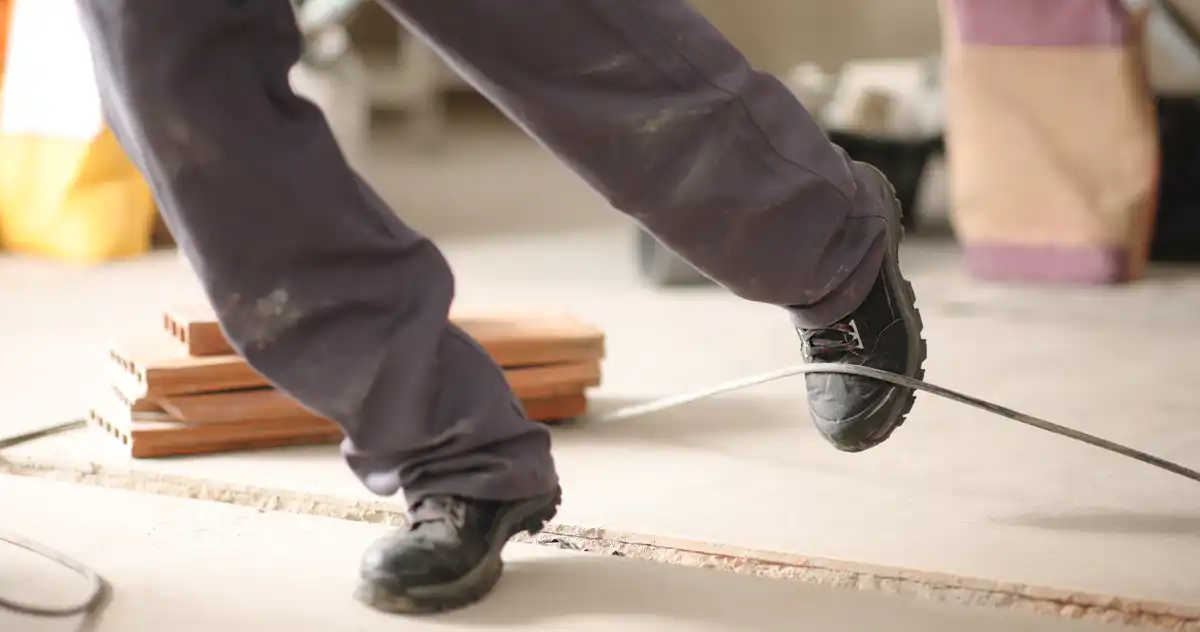
Property owners or employees who leave objects in walking paths may create unnecessary tripping hazards.
Examples include:
- Boxes in store aisles
- Extension cords
- Merchandise displays
- Construction materials
- Cleaning equipment left unattended
Failure to Conduct Regular Inspections
Sometimes, the issue isn’t just the hazard itself – it’s the failure to discover it.
Businesses that serve large numbers of customers are generally expected to perform regular inspections throughout the day.
Without reasonable inspection procedures, dangerous conditions can remain unnoticed long enough to cause preventable injuries.
How Do You Prove a Property Owner Breached Their Duty of Care?
Successfully pursuing a slip and fall claim generally requires more than simply proving you were injured.
Evidence may be needed to demonstrate that:
- A dangerous condition existed.
- The property owner knew – or reasonably should have known – about it.
- They failed to repair the hazard or adequately warn visitors.
- That failure directly caused your injuries.
Helpful evidence may include:
- Photographs of the hazard
- Surveillance camera footage
- Witness statements
- Incident reports
- Maintenance logs
- Cleaning schedules
- Inspection records
- Medical records documenting your injuries
The sooner this evidence is preserved, the easier it may be to establish what happened.
Does Every Hazard Result in Liability?
No.
Property owners are not automatically responsible for every accident that occurs on their property.
The law generally requires property owners to act reasonably – not perfectly.
For example, if a customer spills a drink and another customer slips just seconds later, the business may not have had a reasonable opportunity to discover and address the hazard.
On the other hand, if surveillance footage shows the spill remained on the floor for an extended period without cleanup or warning signs, the property owner’s failure to act may support a negligence claim.
Every slip and fall case depends on its unique facts.
What Should You Do After a Slip and Fall Accident?
If you’re injured in a slip and fall accident, taking the right steps can help protect both your health and any future legal claim.
Consider the following:
- Seek medical attention promptly.
- Report the incident to the property owner or manager.
- Photograph the hazardous condition before it changes, if possible.
- Obtain the names and contact information of any witnesses.
- Preserve the shoes and clothing you were wearing.
- Avoid giving recorded statements to insurance companies before understanding your legal rights.
- Consult an experienced slip and fall attorney as soon as possible.
Let Pines Salomon Personal Injury Lawyers Help Protect Your Rights
Slip and fall accidents are often preventable. When property owners fail to inspect, maintain, repair, or warn visitors about dangerous conditions, innocent people can suffer serious injuries with lasting consequences.